

Indoor air quality matters more than ever once fall arrives in the Tennessee Valley. Ragweed and other pollens, mold spores from damp leaves and the first heating cycles of the season can all send allergy symptoms soaring. Closed windows trap those particles inside, where your HVAC system moves them from room to room.
The good news is that your heating and cooling system can also be part of the solution. This guide explains what affects the air in your home, the upgrades worth asking about and the simple habits that help.
Why Indoor Air Quality Drops in the Fall
Several seasonal changes come together in autumn:
- **Pollen and mold spores.** Late season pollens and decaying leaves release particles that drift indoors on clothing, pets and open doors.
- **Closed windows.** Less fresh air means pollutants stay inside longer.
- **Dusty ductwork.** The first heating cycles push settled dust through the vents.
- **Humidity swings.** Damp fall weather can raise indoor moisture, which helps mold and dust mites thrive.
The EPA notes that indoor air contains pollutants that can affect health, and that quality varies from home to home and even through the day. Their guide to air cleaners and air filters in the home is a helpful starting point.
Start With Your HVAC Filter
Your furnace or heat pump filter is the first line of defense. A clean, properly rated filter captures dust, pollen and pet dander before it circulates. Our post on why your air filter matters covers how a dirty filter affects both your health and your system.
A few filter tips:
- Check the filter often during fall and replace it when it looks gray or dusty.
- Ask your technician which filter rating your system can handle. A filter that is too restrictive can reduce airflow.
- Make sure the filter fits snugly so air cannot slip around the edges.
ENERGY STAR also lists filter checks as a task homeowners can handle between professional visits. See the ENERGY STAR maintenance checklist for more.
Indoor Air Quality Upgrades Worth Asking About
If a better filter is not enough, several whole home options can help. Every home is different, so a technician should assess your system before recommending any of these.
Higher Efficiency Filtration
Media filter cabinets hold a deeper filter than a standard slot. They capture more fine particles while keeping airflow steady.
Whole Home Air Cleaners
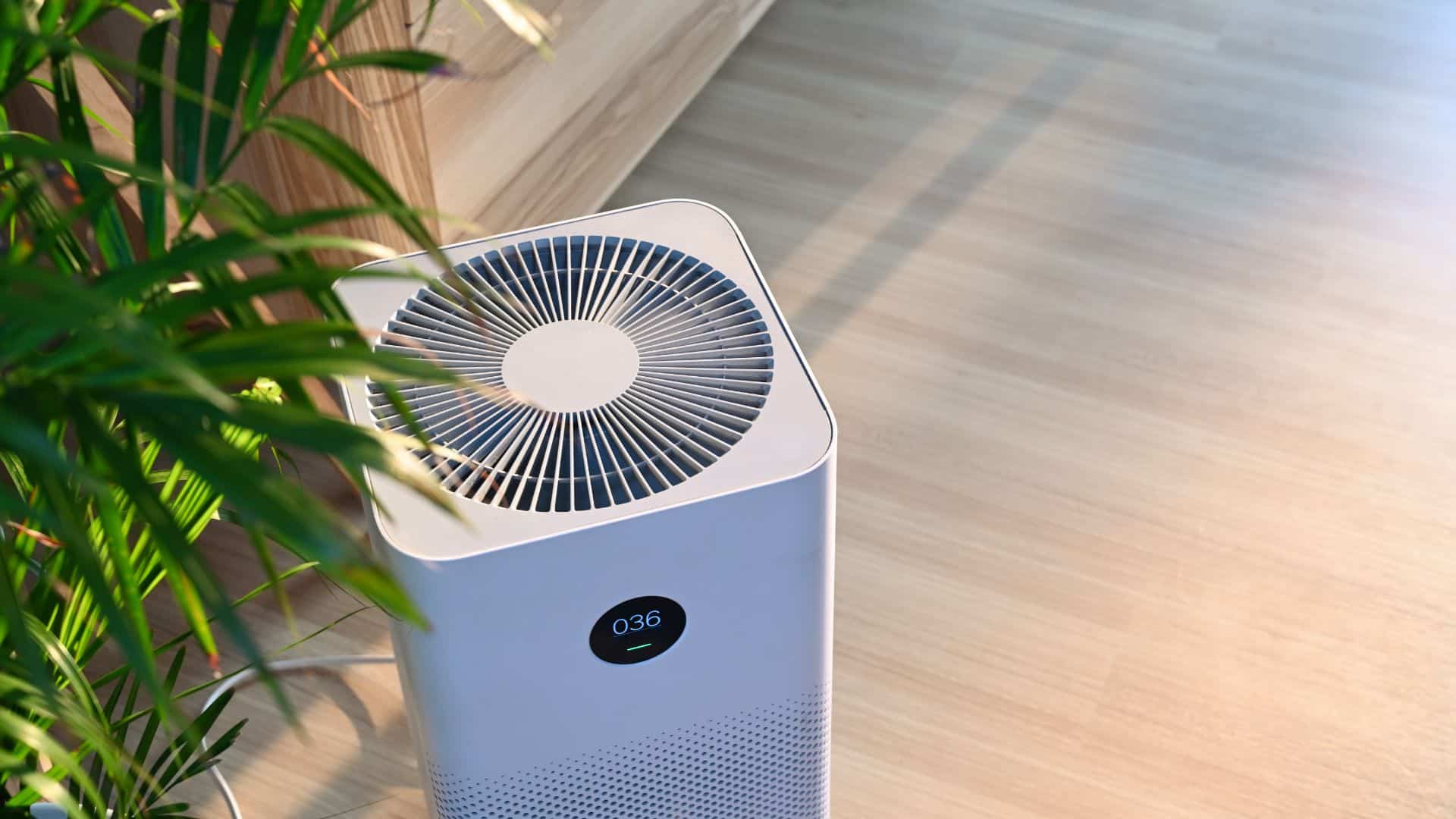
Air cleaners installed in the ductwork treat air from every room as it passes through the system. The EPA explains that portable air cleaners and HVAC filters can reduce indoor air pollution but cannot remove every pollutant. Their downloadable Guide to Air Cleaners in the Home compares the main types.
Ultraviolet Lights
Some systems use UV lights near the indoor coil to limit biological growth on wet surfaces. The EPA notes that results vary by design, so ask how a specific product performs before you buy.
Humidity Control
Balanced humidity makes it harder for mold and dust mites to grow. In damp weather, a dehumidifier paired with your HVAC system can help. In drier winter months, the right balance protects comfort without encouraging mold.
Control Moisture to Reduce Mold
Mold is a major allergy trigger, and it always needs moisture to grow. The EPA states that the key to mold control is moisture control and recommends fixing leaks and water problems promptly. Their brief guide to mold and moisture lists simple prevention tips.
Around your HVAC system, watch for:
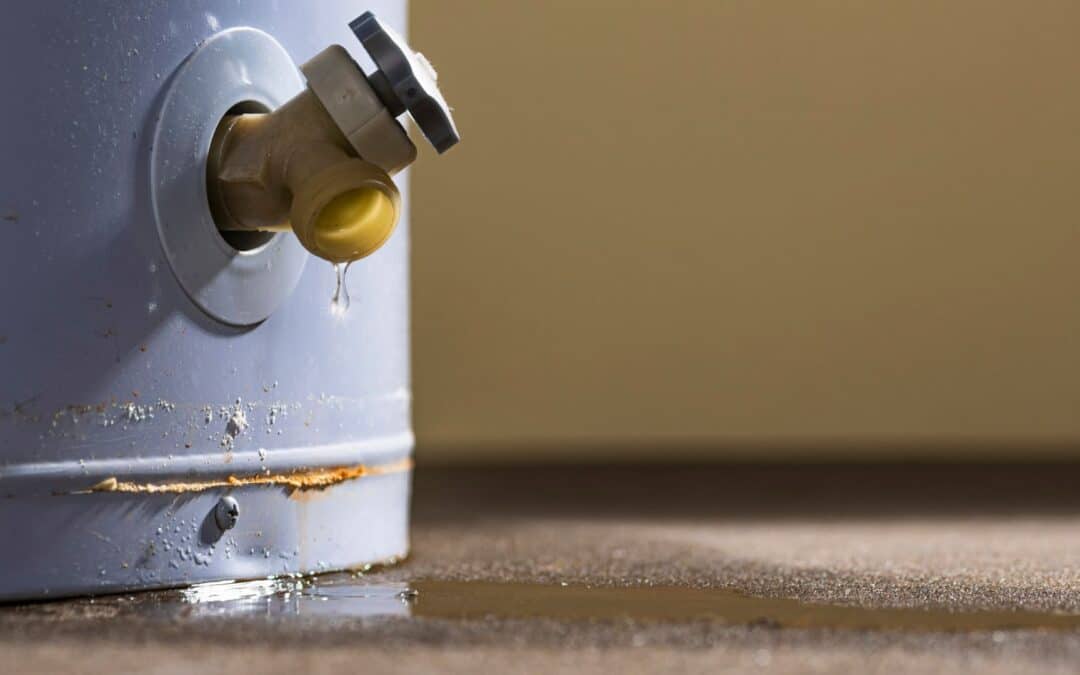
- Water around the furnace, air handler or condensate line.
- Musty smells when the system starts.
- Visible growth on vent covers or around the indoor unit.
Report any of these to a technician, because hidden moisture inside ducts or the air handler is hard to reach without the right tools.
Simple Habits That Help Indoor Air Quality
Small changes add up:
- Run the bathroom and kitchen exhaust fans when cooking or showering.
- Leave shoes at the door to reduce tracked in pollen.
- Wash bedding and pet beds often in hot water.
- Vacuum with a sealed, filtered vacuum.
- Keep supply and return vents clear of furniture and rugs.
Vent placement also affects how evenly clean air reaches each room. Our article on why vent location matters explains how layout changes airflow.
Make Indoor Air Quality Part of Regular Maintenance
A fall heating check is the ideal time to review indoor air quality. Our technicians can inspect the filter setup, look for moisture or debris near the coil and talk through upgrade options that suit your home. Metro’s Home Care Club keeps that seasonal visit on the calendar so it does not slip.
When to Call Metro About Indoor Air Quality
Book a visit if:
- Allergy symptoms get worse whenever the heat or AC runs.
- You see dust blowing from the vents.
- There is a musty smell from the system.
- Rooms feel damp or windows fog up often.
- You want help choosing filtration or an air cleaner that suits your system.
Our heating and cooling services cover homes across Greater Chattanooga, Tennessee and North Georgia.
Frequently Asked Questions
Can my HVAC system improve indoor air quality?
Yes. A good filter, clean ductwork and balanced humidity all help. Whole home air cleaners can add another layer of filtration.
Do air purifiers help with fall allergies?
Air cleaners can reduce airborne particles such as pollen and dust, but no device removes every pollutant. Controlling sources and moisture still matters.
Which air filter is best for allergies?
A higher efficiency filter captures more fine particles, but it must suit your system. Ask a technician so airflow is not reduced.
Can mold grow inside my HVAC system?
Yes, if moisture collects around the indoor coil, drain pan or ducts. Fixing the moisture source is the first step.
Is a dehumidifier worth it for allergies?
In damp homes, controlling humidity can limit mold and dust mites, which are common allergy triggers.
Contact Metro Plumbing, Heating and Air
Breathe easier this fall. Talk to our team about indoor air quality options for your home.
Contact Number: (423) 855 0967
Email: info@metropha.com
Address: 8988 Fuller Rd, Chattanooga, TN 37421
Service Area: Greater Chattanooga, Tennessee and North Georgia