

A floor drain backing up is one of the clearest warning signs in a home plumbing system. Floor drains sit at the lowest point of a basement, laundry room or garage, so they are often the first place water shows up when something downstream is blocked. They can also cause odors, slow drainage and puddles that never seem to dry.
This guide covers the most common floor drain problems, what each one means and when you need a licensed plumber.
How a Floor Drain Works
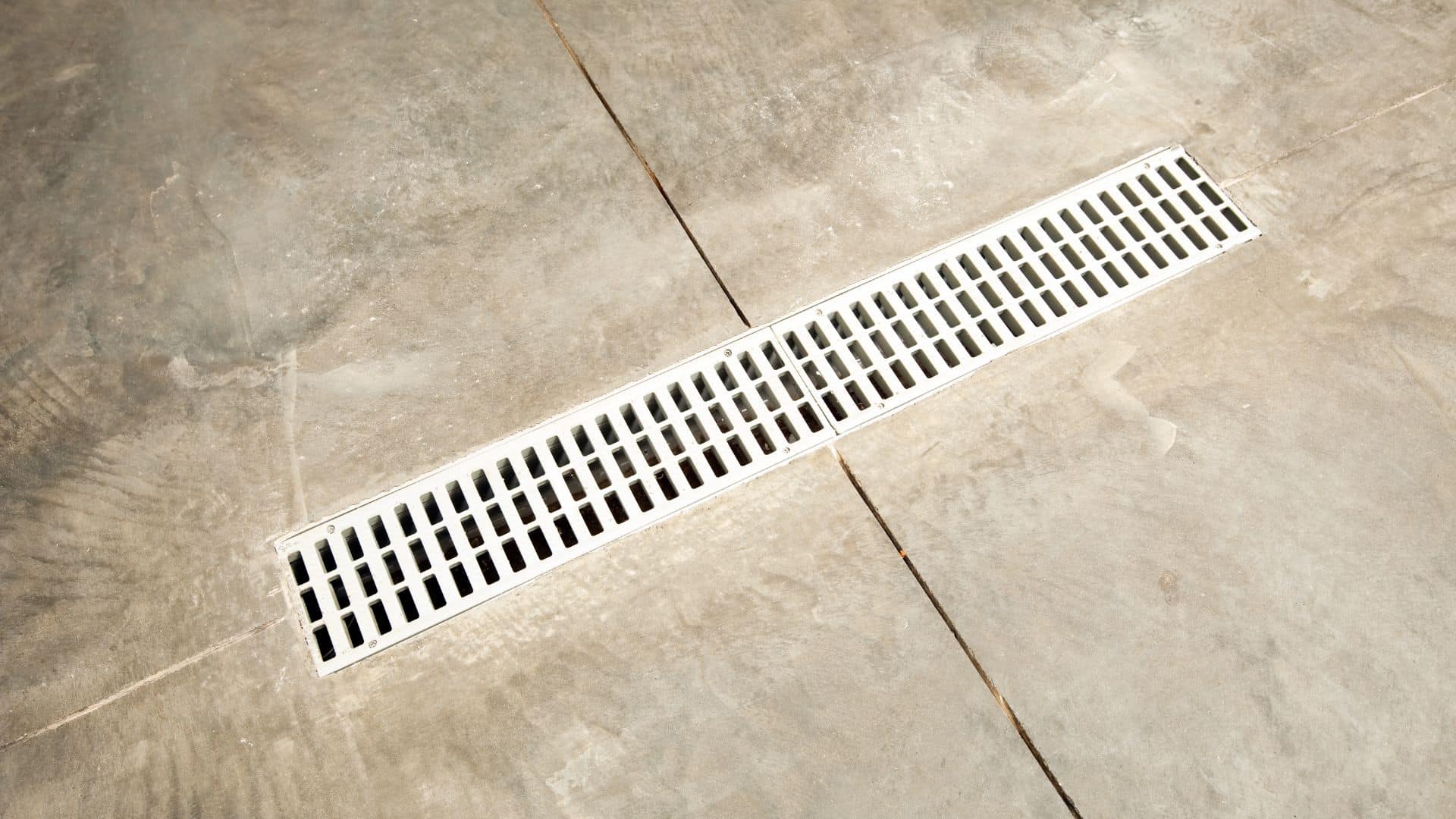
Most floor drains have a grate, a short drop pipe and a trap that holds water. That water seal blocks sewer gas from entering the room. Below the trap, the drain connects to your main sewer line or, in some homes, to a separate drainage system.
Our guide to how a plumbing trap works explains why that small amount of standing water matters so much.
Common Floor Drain Problems
A Floor Drain Backing Up
When water rises out of the floor drain instead of flowing down, the blockage is usually further along the line. Because the floor drain sits so low, it often overflows before sinks or toilets upstairs. Common causes include:
- A clog in the main sewer line from grease, wipes or debris.
- Tree roots growing into an older sewer pipe.
- Lint and soap buildup from a nearby washing machine.
- Heavy rain overwhelming a drain that is connected to the sewer.
If water rises in the floor drain when you run the washer, flush a toilet or use the shower, the main line is likely involved. Our article on what causes clogged drains explains how these blockages form.
Sewer Smell From a Floor Drain
A rotten egg or sewage odor near a floor drain usually means the trap has dried out. Drains that rarely receive water lose their seal through evaporation, especially in warm utility rooms.
The Virginia Department of Health lists dry traps and cracked waste lines as common causes of sewer gas in homes and recommends flushing water through floor drains to restore the seal. Their sewer gas FAQ also explains possible health effects. Aspen’s water recovery district notes that floor drains that get little use are the most common offenders. See their facts about sewer odors.
A rotten egg smell can also mean a natural gas leak. If you have gas appliances nearby and the smell is strong, leave the home and call your gas utility or 911 from outside.
Slow Draining Floor Drains
Sediment, dirt, leaves in garage drains and hair or lint in laundry areas can slowly choke a floor drain. The City of Phoenix notes that grime building up in drains can create odors as well as slow flow. Their sewer odor guidance covers simple checks.
Standing Water Around the Drain
Water that pools around the drain rather than flowing in may mean the floor slopes the wrong way, the grate is blocked or groundwater is seeping in. Persistent moisture in a basement can also lead to mold. The EPA’s brief guide to mold and moisture recommends fixing water problems quickly to prevent growth.
Garage Floor Drain Problems
Garage drains collect mud, road salt, leaves and oil. These can build into a heavy sludge that blocks the line. Some garage drains connect to the sewer, while others drain elsewhere, so a plumber should confirm where yours goes before any cleaning chemicals are used.
What You Can Do Yourself
Try these safe steps first:
- Pour water into rarely used floor drains regularly to keep the trap sealed.
- Remove the grate and clear hair, lint or debris you can reach by hand.
- Keep lint traps on washing machine discharge hoses.
- Avoid pouring grease, paint or chemicals into floor drains.
Do not use chemical drain cleaners on a floor drain that is backing up. They rarely clear main line clogs and can splash back when the drain overflows.
When a Sump Pump Is Involved
In some basements, a floor drain works alongside a sump pump that removes groundwater. If water collects in the basement after storms, the sump pump may be failing. Our guide to signs you need sump pump service can help you tell the difference.
When to Call Metro for Floor Drain Cleaning
Call a licensed plumber if:
- Your floor drain is backing up when other fixtures are used.
- Sewage or dirty water comes up through the drain.
- The sewer smell returns even after you add water.
- Several drains in the home are slow at the same time.
- Water backs up after heavy rain.
A floor drain backing up with sewage is a health concern. Keep children and pets away, avoid contact with the water and call for help.
Metro provides professional drain clearing and cleaning across Greater Chattanooga, Tennessee and North Georgia. Our team can clear the line, inspect it and recommend ways to prevent the next backup.
Frequently Asked Questions
Why is my basement floor drain backing up?
The most common cause is a clog in the main sewer line. Because the floor drain sits so low, it overflows before other fixtures.
Why does my floor drain smell like sewage?
The trap has likely dried out and lost its water seal. Pouring water into the drain usually restores it.
Can a floor drain back up from rain?
Yes. Heavy rain can overload drains that connect to the sewer, and groundwater can push up through cracks.
Should I use a chemical drain cleaner on a floor drain?
No. Chemical cleaners rarely clear main line clogs and can splash back if the drain overflows.
Is sewage from a floor drain dangerous?
Yes. Sewage carries bacteria. Avoid contact and call a licensed plumber.
Contact Metro Plumbing, Heating and Air
Dealing with a floor drain backing up or a bad smell? Our licensed plumbers can help.
Contact Number: (423) 855 0967
Email: info@metropha.com
Address: 8988 Fuller Rd, Chattanooga, TN 37421
Service Area: Greater Chattanooga, Tennessee and North Georgia
Need Help Now?
Talk to a Local Expert
Upfront pricing and 24/7 availability across Chattanooga and North Georgia.
Call (423) 855-0967Book Online