

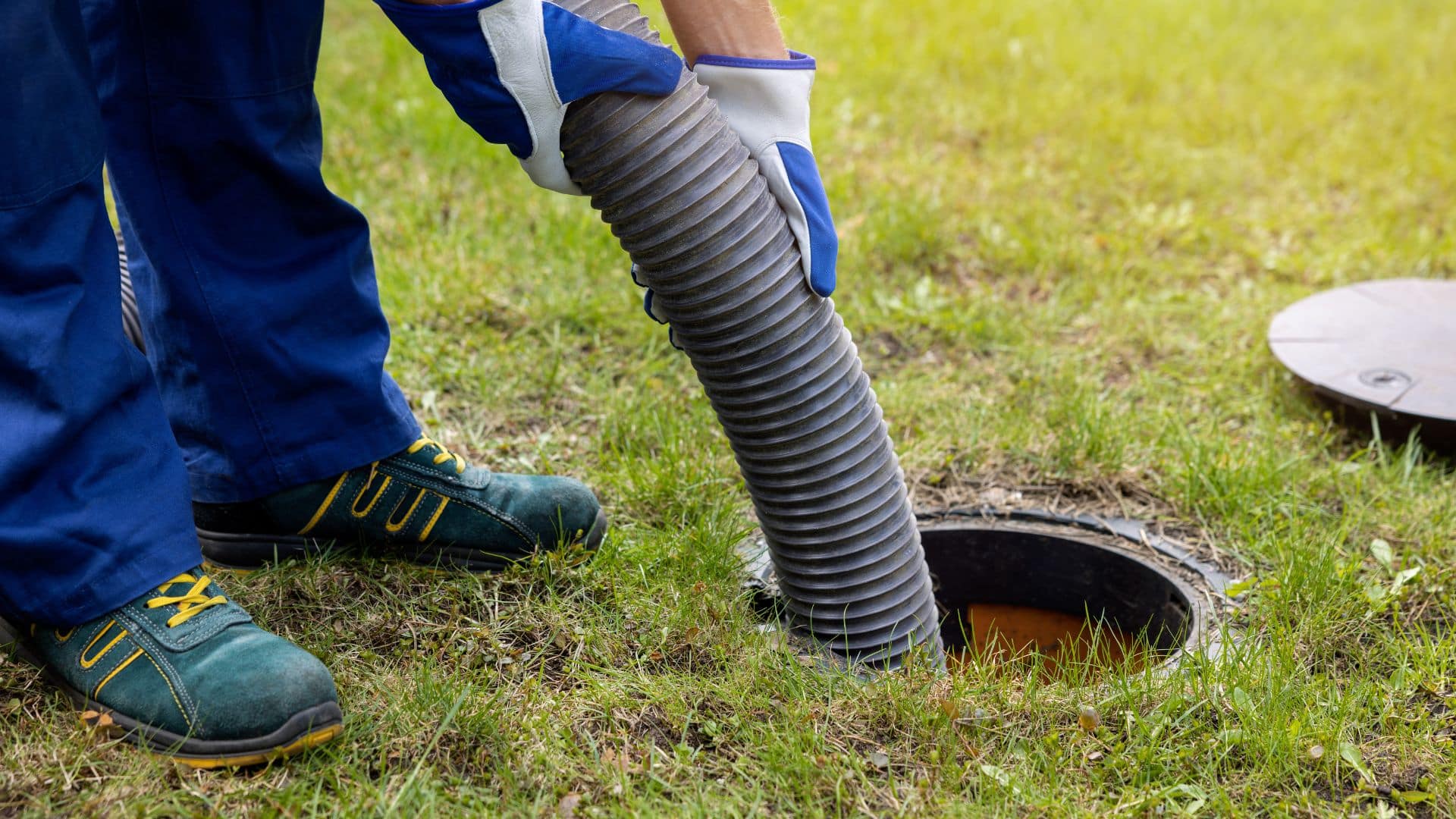
Preparing your septic system for winter is a smart move for any home outside city sewer lines in Greater Chattanooga and North Georgia. Our winters are milder than in northern states, but cold snaps, frozen ground and heavy winter rain can still cause slow drains, backups and drain field trouble.
A little preparation in the fall helps your system handle colder weather and busy holiday households. This guide walks through the steps that matter most.
Why Winter Is Hard on a Septic System
A septic system depends on steady flow and healthy bacteria in the tank. Winter can disrupt both:
- Freezing pipes. Exposed or shallow lines between the house and tank can freeze, especially where snow cover is thin or soil is compacted.
- Saturated soil. Winter rain can waterlog the drain field so wastewater has nowhere to go.
- Holiday water use. Extra guests, laundry and dishwasher loads add more water than usual.
- Less bacterial activity. Cold temperatures can slow the bacteria that break down waste.
Septic professionals often see more problems around the winter holidays, which is why preparing in the fall makes sense. Our article on how a septic tank works explains why steady flow and healthy bacteria matter.
Steps to Prepare Your Septic System for Winter
Schedule an Inspection and Pumping if Needed
A septic professional can check sludge and scum levels, inspect baffles and confirm the system is working before cold weather sets in. If the tank is close to full, pumping it ahead of winter reduces the chance of a backup. The EPA’s SepticSmart program lists inspection and pumping as two of the most important care steps. See EPA SepticSmart for its quick tips.
Not sure whether your tank needs pumping? Our guide to signs your septic tank needs pumping covers the warning signs.
Insulate Exposed Pipes and Components
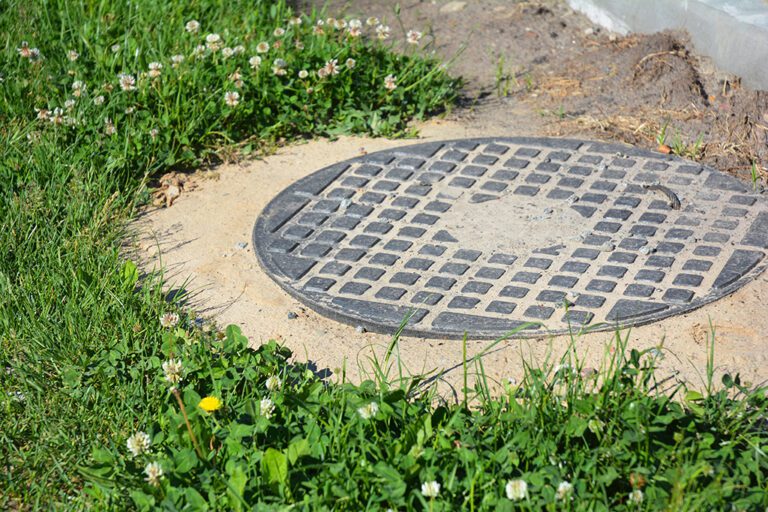
Look for any exposed piping between the house and the tank, along with pump chambers and risers. Ask a professional about safe insulation for these areas. Keep tank lids secure and in good condition.
Protect the Drain Field
The drain field needs healthy soil and grass cover to work well in winter.
- Leave grass a little longer in fall, since it adds insulation.
- Spread a layer of mulch or straw over the field if your area has a hard freeze, but do not use plastic sheeting.
- Keep vehicles, trailers and heavy equipment off the field. Compacted soil freezes deeper and drains poorly.
- Direct gutters and sump pump discharge away from the field.
Fix Leaks and Running Toilets
A leaking faucet or a toilet that runs all night sends a steady trickle of water into the tank. That extra water can overload the drain field when the ground is already wet.
Spread Out Water Use
Space laundry and dishwasher loads across the week instead of running them back to back. This gives the tank and drain field time to handle each load.
Septic Habits for the Holiday Season
Readying your septic system for winter also means planning for holiday cooking and guests. Share these tips with your household:
- Scrape grease and food scraps into the trash, not the sink.
- Only flush toilet paper. Wipes, paper towels and hygiene products do not break down.
- Limit harsh cleaners and chemicals that can harm septic bacteria.
- Use the garbage disposal sparingly.
The EPA’s guide to septic system care and maintenance covers more daily habits that protect your system.
What to Do if Your Septic System Freezes
Signs of a frozen line or system include drains that will not empty, toilets that will not flush and gurgling throughout the home. If this happens:
- Stop using water as much as possible.
- Do not pour antifreeze, salt or chemicals into the system.
- Do not try to thaw lines with an open flame.
- Call a septic professional to locate and safely clear the problem.
Continuing to run water into a frozen system can cause backups into the home.
Know Your State’s Septic Rules
Septic systems are regulated at the state level. In Tennessee, the Department of Environment and Conservation handles permits and records. Their subsurface sewage disposal FAQs explain when a permit is required and how to request records for an existing system.
In Georgia, the Department of Public Health and local county health departments oversee onsite systems. Their guide to septic tanks explains homeowner responsibilities and maintenance.
When to Call Metro for Septic Service
Call our team if:
- You cannot remember when the tank was last inspected or pumped.
- Drains are slow or gurgling as temperatures drop.
- The yard over the drain field is soggy or smells.
- Sewage backs up into the home.
- An alarm on your septic pump sounds.
Metro offers septic tank pumping and septic field line repair across Greater Chattanooga, Tennessee and North Georgia. Preparing your septic system for winter now can spare you an emergency later.
Frequently Asked Questions
Should I pump my septic tank before winter?
If the tank is close to full, pumping before winter lowers the risk of a backup when the ground is cold or saturated. A technician can tell you whether it is needed.
Can a septic system freeze in Tennessee?
It is less common than in northern states, but exposed pipes and compacted soil can freeze during cold snaps.
How do I protect my drain field in winter?
Keep traffic off it, leave grass cover in place, add mulch in hard freezes and redirect gutters and sump pump water away from it.
Can I use antifreeze in my septic system?
No. Antifreeze and similar chemicals can harm the bacteria that treat waste and may pollute groundwater.
What should I do if my septic system backs up in winter?
Limit water use, avoid contact with sewage and call a septic professional right away.
Contact Metro Plumbing, Heating and Air
Get your septic system ready for winter with help from our licensed team.
Contact Number: (423) 855 0967
Email: info@metropha.com
Address: 8988 Fuller Rd, Chattanooga, TN 37421
Service Area: Greater Chattanooga, Tennessee and North Georgia
Need Help Now?
Talk to a Local Expert
Upfront pricing and 24/7 availability across Chattanooga and North Georgia.
Call (423) 855-0967Book Online