

Finding water leaking under the kitchen sink is never a nice surprise. A damp cabinet floor, a warped base or a musty smell usually means a leak has been running quietly for a while. The good news is that most kitchen sink leaks come from a handful of predictable sources, and many are simple for a plumber to fix.
This guide helps you trace the leak, explains the most common causes and shows you when it is time to call a licensed plumber.
How to Find the Source of the Leak
Start by clearing out the cabinet and drying every surface with a towel. Then test each part of the sink one at a time:
- Supply lines. With the faucet off, look and feel along the hot and cold lines and shutoff valves.
- Faucet base. Run the faucet and watch for water seeping around the base or down the underside of the counter.
- Drain. Fill the sink partway, then release it and watch the drain joints and trap.
- Garbage disposal. Run water through the disposal and check its sink flange, side connections and bottom.
- Dishwasher hose. Run a short cycle and look at the hose connection to the disposal or drain.
Placing a dry paper towel under each joint makes even small drips easy to spot.
Common Causes of Leaking Under the Kitchen Sink
Loose or Worn Drain Joints
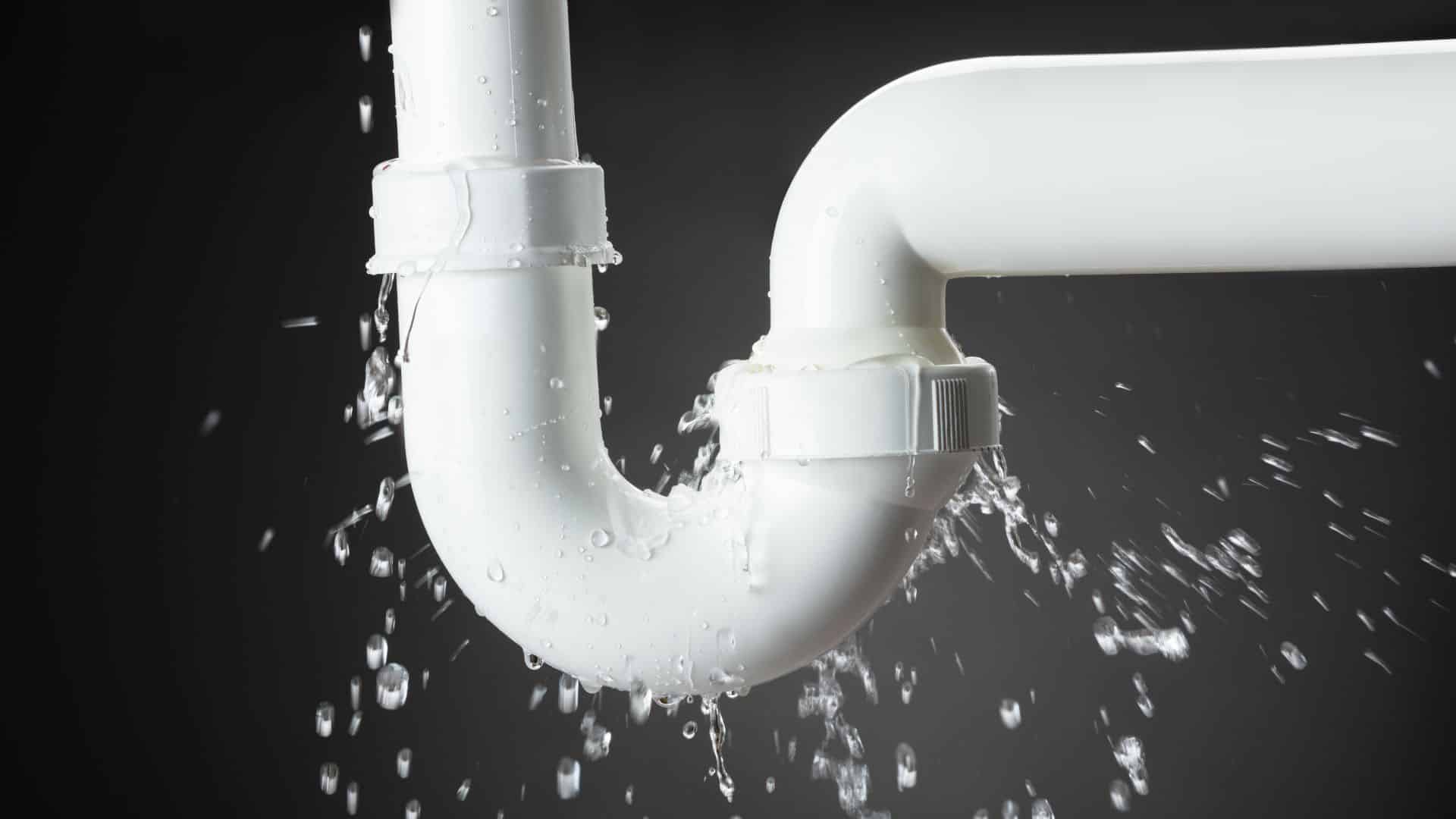
The slip nuts on the drain and trap can loosen over time, especially when items in the cabinet bump the pipes. Worn washers also let water seep out when the sink drains. Our guide to how a plumbing trap works explains this curved section of pipe and why it needs a tight seal.
Failing Supply Lines
Braided and plastic supply lines can crack, kink or corrode at the fittings. Because they stay under pressure, a supply line leak drips constantly, even when the faucet is off.
Worn Shutoff Valves
Older shutoff valves can drip from the stem or packing nut. Hard water speeds up this wear by leaving mineral deposits on moving parts. The USGS notes that hard water forms scale in pipes and water heaters, and that scale also affects valves and fittings. See their water quality reference table for details.
Garbage Disposal Leaks
A disposal can leak at the sink flange, the dishwasher inlet, the drain connection or through a cracked housing. A leak from the bottom of the unit usually means internal seals have failed. Our garbage disposal maintenance tips can help prevent some of these problems.
Faucet Leaks
Worn cartridges, O rings or a loose mounting nut can let water run down the faucet body into the cabinet.
Sink Basket Strainer
The strainer where the drain meets the sink relies on plumber’s putty or a gasket. When that seal dries out, water slips past it each time the sink drains.
Why Small Leaks Cause Big Problems
Leaking under the kitchen sink may look minor, but a slow drip can:
- Rot the cabinet floor and subfloor.
- Damage flooring and walls next to the sink.
- Raise your water bill if the leak is on a supply line.
- Create the damp conditions mold needs.
The EPA states that fixing plumbing leaks promptly is one of the most important ways to prevent mold. Their brief guide to mold and moisture explains why. The EPA’s WaterSense program also encourages homeowners to find and fix household leaks. Their Fix a Leak Week page includes easy leak checks for the whole home.
Odors Under the Sink
A sewer smell under the sink can mean a loose drain joint, a damaged trap or buildup in the drain. The City of Phoenix explains that slime and grime in drains can create a rotten egg odor and that dry traps let sewer gas in. Their sewer odor guidance lists simple checks. If the smell continues after the leak is fixed, a plumber should inspect the drain and vent.
What You Can Do Right Now
While you wait for a plumber:
- Turn off the shutoff valves under the sink if the leak is on a supply line.
- Place a bucket or tray under the leak.
- Dry the cabinet and leave the doors open to air it out.
- Avoid using the sink or disposal if the drain is leaking.
Our tips on dealing with a leaky pipe cover more ways to limit water damage.
When to Call a Plumber
Some fixes for leaking under the kitchen sink are simple, but call a licensed plumber if:
- The leak is on a supply line or shutoff valve.
- Water comes from inside the faucet or the disposal body.
- You see soft or stained cabinet wood.
- The leak returns after you tighten connections.
- There is a musty or sewer smell.
Metro handles faucet and fixture repair, including kitchen faucets, supply lines, shutoff valves and drain connections across Greater Chattanooga, Tennessee and North Georgia.
Frequently Asked Questions
Why is water leaking under my kitchen sink only when I use it?
That usually points to the drain, basket strainer, faucet or disposal. Supply line leaks drip even when the sink is not in use.
Can I tighten a leaking sink drain myself?
Hand tightening a loose slip nut often helps. If the washer is worn or the pipe is cracked, the part needs replacing.
Is a leak under the kitchen sink an emergency?
A fast leak on a supply line is urgent. Shut off the valve and call a plumber. Slow drain drips are less urgent but should be fixed promptly.
Why does my garbage disposal leak from the bottom?
A leak from the bottom often means internal seals have failed. In many cases, the disposal needs replacing.
Can a sink leak cause mold?
Yes. Moisture in a closed cabinet creates ideal conditions for mold, so leaks should be fixed and dried quickly.
Contact Metro Plumbing, Heating and Air
Found water leaking under your kitchen sink? Our licensed plumbers can find and fix it.
Contact Number: (423) 855 0967
Email: info@metropha.com
Address: 8988 Fuller Rd, Chattanooga, TN 37421
Service Area: Greater Chattanooga, Tennessee and North Georgia
Need Help Now?
Talk to a Local Expert
Upfront pricing and 24/7 availability across Chattanooga and North Georgia.
Call (423) 855-0967Book Online