

A water heater making noise is one of the most common plumbing questions we hear from homeowners in Greater Chattanooga. Popping, rumbling and crackling sounds usually point to sediment in the tank. Other noises, such as hissing or screeching, can point to a valve or pressure problem that needs prompt attention.
This guide explains what each sound means, why hard water makes the problem worse and when it is time to call a licensed plumber.
Why Is My Water Heater Making Noise?
Most tank water heaters make some sound as they heat. Gentle ticking as metal expands is normal. Louder or newer sounds usually mean something inside the tank has changed. The most common culprit is sediment.
How Sediment Causes Popping and Rumbling
Tap water carries dissolved minerals such as calcium and magnesium. When water heats, some of those minerals settle out and form a layer on the bottom of the tank. Water gets trapped under that layer, boils and pushes up through it in bursts. That is the popping or rumbling you hear.
The USGS notes that hard water forms scale in water heaters and pipes. You can see their water quality reference table for how hardness is classified. Our article on hard water in Chattanooga homes explains why local homes are especially prone to this buildup.
What Different Water Heater Noises Mean
Use this list to match the sound you hear with its likely cause:
- Popping or rumbling. Sediment at the bottom of the tank. Common in hard water areas.
- Crackling or sizzling. On gas units, condensation dripping onto the burner. On electric units, scale on the heating element.
- Ticking or tapping. Pipes expanding and contracting, or heat trap fittings at the top of the tank.
- Hissing. Possible leak dripping onto a hot surface, or the temperature and pressure relief valve releasing.
- Screeching or whistling. A partly closed valve or high pressure forcing water through a small opening.
- Banging when a tap closes. Water hammer in the supply lines, which can stress the heater’s valves.
Sioux Chief notes that repeated water hammer shocks can lead to early failure of water heaters and their relief valves. Their water hammer white paper explains why pressure control matters.
Why Sediment Should Not Be Ignored
A noisy tank is more than an annoyance. Sediment can:
- Reduce efficiency, because heat has to pass through the mineral layer.
- Shrink the amount of hot water available.
- Overheat the tank bottom on gas models.
- Burn out heating elements on electric models.
- Speed up corrosion and lead to leaks.
Regular maintenance helps limit this buildup. Our guide to water heater maintenance explains what a routine service covers.
When a Noise Signals a Safety Concern
Some sounds need quick action:
- Hissing near the relief valve. The temperature and pressure relief valve is a key safety device. If it releases water often, the tank may be running too hot or under too much pressure.
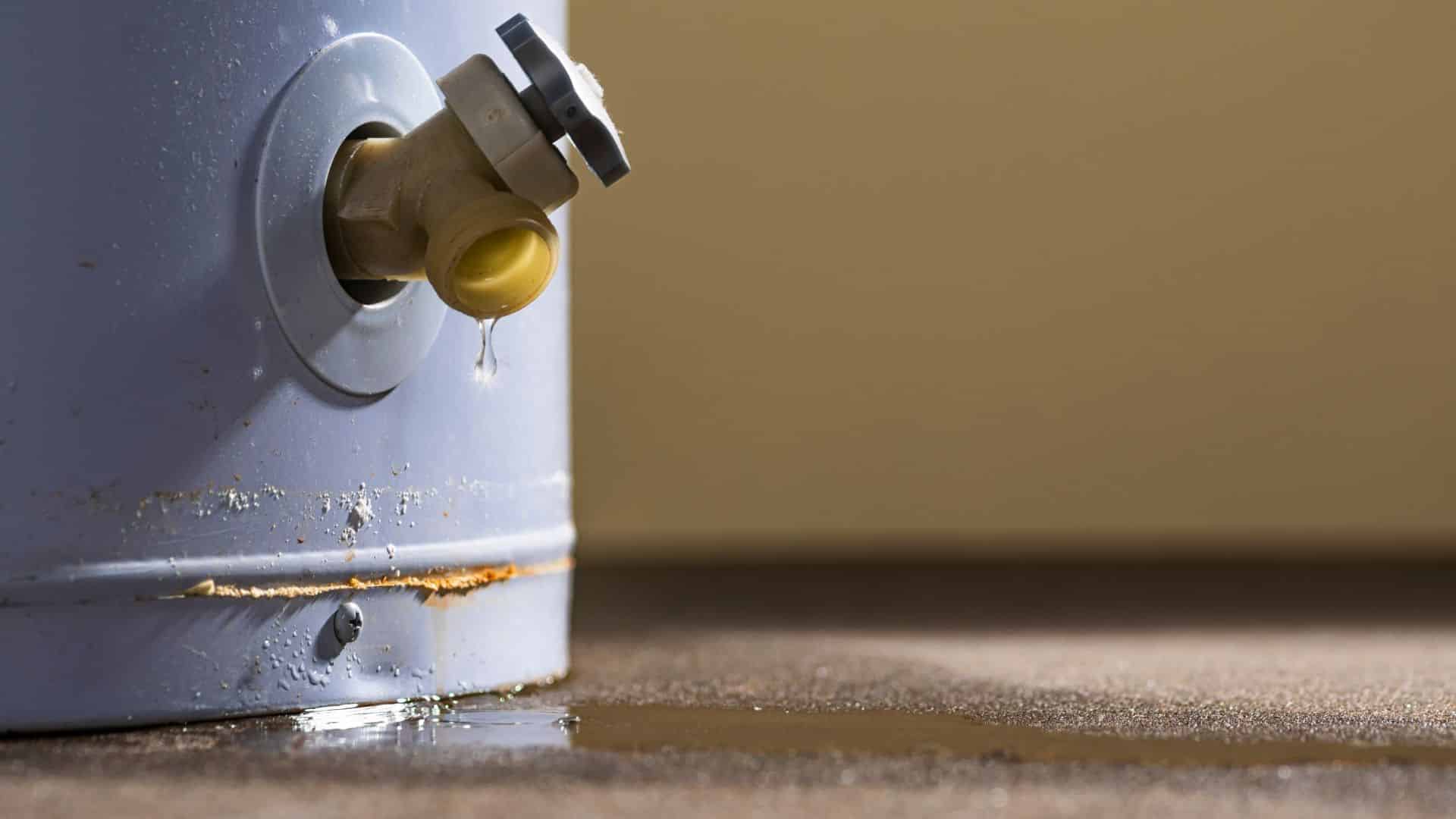
- Sizzling with water on the floor. This can mean the tank is leaking.
- Loud banging with rusty water. This combination can point to serious internal wear.
Never cap or plug a relief valve. Our article on avoiding water heater accidents covers other safety habits for gas and electric units. If you smell gas near a gas water heater, leave the home and call your gas utility or 911 from outside.
Can You Fix a Noisy Water Heater Yourself?
Homeowners can safely check a few things:
- Look for water around the base of the tank or near the relief valve discharge pipe.
- Listen for when the noise happens, such as during heating or when a faucet closes.
- Check whether hot water output has dropped.
Flushing a tank involves hot water, gas or electrical shutoffs and valves that can fail when opened. Unless you are confident with the process, let a licensed plumber handle it. A plumber can also test the relief valve, inspect the anode rod and check incoming water pressure in the same visit.
Repair or Replace a Noisy Water Heater?
Flushing often quiets a tank with moderate sediment. If the noise returns quickly, the tank leaks or the water is rusty, replacement may make more sense. The Department of Energy compares tank, tankless and heat pump water heaters in its guide to choosing the right water heater.
Tankless units do not have a tank where sediment settles, although they still need descaling in hard water homes. The DOE explains how they work in its overview of tankless water heaters.
When to Call Metro for Water Heater Repair
A water heater making noise is easy to put off, but small problems grow. Call a licensed plumber if:
- Popping or rumbling is loud or getting worse.
- You hear hissing near the relief valve.
- You see water, rust or corrosion around the tank.
- Your hot water runs out sooner than it used to.
- The noise comes with a burning or gas smell.
Metro provides water heater repair and replacement for tank and tankless units across Greater Chattanooga, Tennessee and North Georgia.
Frequently Asked Questions
Is it normal for a water heater to make popping noises?
Popping is common but not ideal. It usually means sediment has built up in the bottom of the tank and the heater should be serviced.
Is a water heater making noise dangerous?
Most noises come from sediment and are not an immediate danger. Hissing at the relief valve, leaks or a gas smell need prompt attention.
Will flushing stop my water heater from making noise?
Flushing often reduces popping and rumbling. If the sediment has hardened, a flush may only help partly.
Why does my electric water heater crackle?
Scale on the heating element can crackle as water heats. A plumber can inspect or replace the element.
Does hard water make water heaters noisier?
Yes. Hard water leaves more minerals in the tank, which forms the sediment layer that causes popping.
Contact Metro Plumbing, Heating and Air
Is your water heater making noise? Let our licensed plumbers take a look.
Contact Number: (423) 855 0967
Email: info@metropha.com
Address: 8988 Fuller Rd, Chattanooga, TN 37421
Service Area: Greater Chattanooga, Tennessee and North Georgia
Need Help Now?
Talk to a Local Expert
Upfront pricing and 24/7 availability across Chattanooga and North Georgia.
Call (423) 855-0967Book Online