

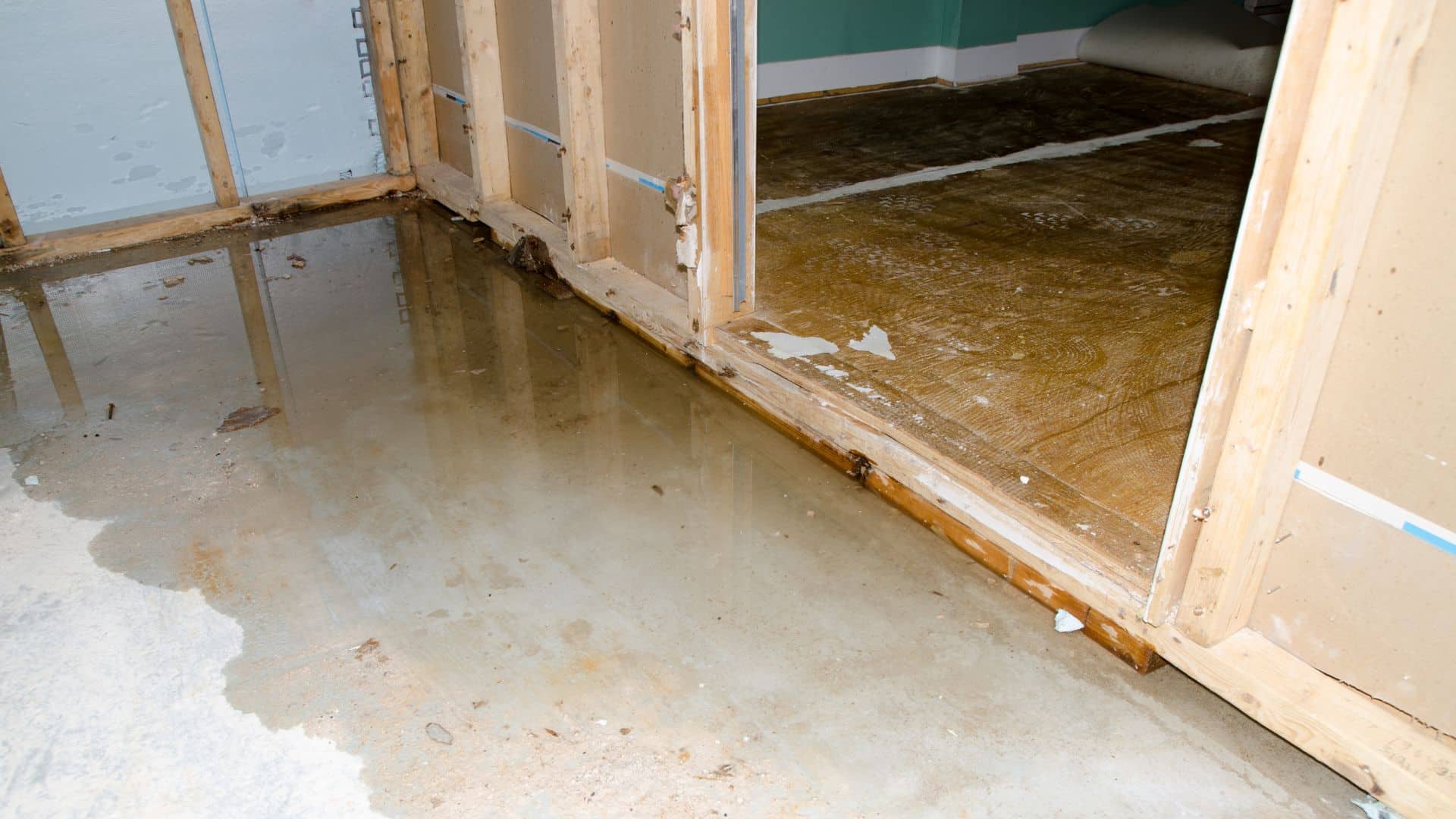
A backwater valve is one of the most effective ways to protect a home from sewer backups. When the sewer line downstream of your home becomes blocked or overloaded, wastewater can push back toward the lowest drains in the house. A backwater valve closes in that moment and keeps sewage out of your basement, laundry room or lower level bathroom.
This guide explains how a backwater valve works, which homes benefit most and what maintenance it needs.
What Is a Backwater Valve?
A backwater valve is a one way valve installed on your home’s sewer line, usually where the line leaves the building or in an access box in the yard. Under normal conditions, a flap or gate stays open so wastewater can flow out. If water starts flowing back toward the house, the flap closes and seals the line.
The City of San José describes it as a plumbing fixture that acts as a one way stopper. Their sewer backup prevention bulletin shows how the valve sits in the building drain.
How Sewer Backups Happen
Your home’s sewer line connects to a larger public sewer main. Problems anywhere along that path can push wastewater backward:
- A blockage in the public main from grease, roots or debris.
- Heavy rain overwhelming sewers that take in stormwater through cracks and connections.
- A blockage in your own private sewer line.
- Low lying fixtures that sit below the level of the nearest sewer manhole.
The City of Los Altos explains that when the main in the street is blocked, wastewater looks for the lowest opening, which is often a floor drain or basement fixture. Their guide to preventing sewer backups covers the warning signs.
Which Homes Benefit Most From a Backwater Valve?
Every home is different, but a backwater valve is especially worth considering if:
- You have a finished basement or lower level bathroom.
- Your lowest drain sits below street level.
- Your home has had a sewer backup before.
- Your neighborhood has older sewer lines or frequent heavy rain.
- You recently replaced your sewer line and want added protection.
New York City’s Department of Environmental Protection includes backwater valves in its homeowner guide to reducing sewer backups during heavy rain. See the NYC DEP flood preparedness guide for a simple diagram of an open and closed valve.
Backwater Valve vs Sump Pump
These two devices are often confused. A sump pump removes groundwater that collects around your foundation. A backwater valve stops sewage from coming back in through your drains. Many homes benefit from both. Our article on the power of a sump pump explains how sump systems protect basements from groundwater.
How a Backwater Valve Is Installed
Installation is a job for a licensed plumber and usually requires a permit. The process typically includes:
- Locating the main sewer line and checking its condition, often with a camera.
- Choosing the right valve type and location for the home.
- Cutting into the line and installing the valve with an access cover for maintenance.
- Testing the valve and restoring the area.
Because the valve sits on the sewer line, it is a good time to check for cracks, roots or sagging sections. If the line itself is failing, sewer line replacement may need to come first.
Backwater Valve Maintenance
A backwater valve only works if the flap can move freely. Debris, grease and wipes can hold it open or jam it shut. Good habits include:
- Having the valve inspected and cleaned as part of routine plumbing service.
- Checking that the access cover is clear and easy to reach.
- Keeping grease, wipes and solids out of your drains.
- Calling a plumber if drains slow down after the valve is installed.
Our guide to what causes clogged drains explains how everyday habits lead to blockages that can affect the valve.
Who Is Responsible for the Sewer Line?
In most areas, the homeowner is responsible for the private sewer line from the house to the public main, while the utility handles the main itself. Oklahoma City’s utilities department explains this split clearly on its sewer backups page. Rules vary by utility, so check with your local provider.
When to Ask Metro About a Backwater Valve
Talk to our team if:
- Your basement drain has backed up before.
- You are finishing a basement or adding a lower level bathroom.
- Drains gurgle or slow down after heavy rain.
- You are replacing or repairing your sewer line.
If you already have a backwater valve and drains are slow, the valve or the line may need cleaning. Our drain clearing and cleaning service covers homes across Greater Chattanooga, Tennessee and North Georgia.
Frequently Asked Questions
What does a backwater valve do?
It lets wastewater flow out of your home and closes automatically if sewage starts flowing back in, protecting your lowest drains.
Do I need a backwater valve?
Homes with basements, lower level bathrooms or a history of backups benefit most. A plumber can assess the elevation of your fixtures and sewer line.
Can I use my drains when the backwater valve is closed?
Limit water use. While the valve is closed, water from your own fixtures cannot leave the house either.
Does a backwater valve need maintenance?
Yes. It should be inspected and cleaned so debris does not stop the flap from moving.
Is a backwater valve the same as a sump pump?
No. A sump pump removes groundwater. A backwater valve stops sewage from flowing back through your drains.
Contact Metro Plumbing, Heating and Air
Protect your home from sewer backups. Ask our licensed plumbers about a backwater valve.
Contact Number: (423) 855 0967
Email: info@metropha.com
Address: 8988 Fuller Rd, Chattanooga, TN 37421
Service Area: Greater Chattanooga, Tennessee and North Georgia
Need Help Now?
Talk to a Local Expert
Upfront pricing and 24/7 availability across Chattanooga and North Georgia.
Call (423) 855-0967Book Online